Business
The return label is only the start of the bill
Sending a parcel back looks like delivery in reverse. For the shop, it marks the start of a new series of tasks, while it is still uncertain what the returned product is worth.
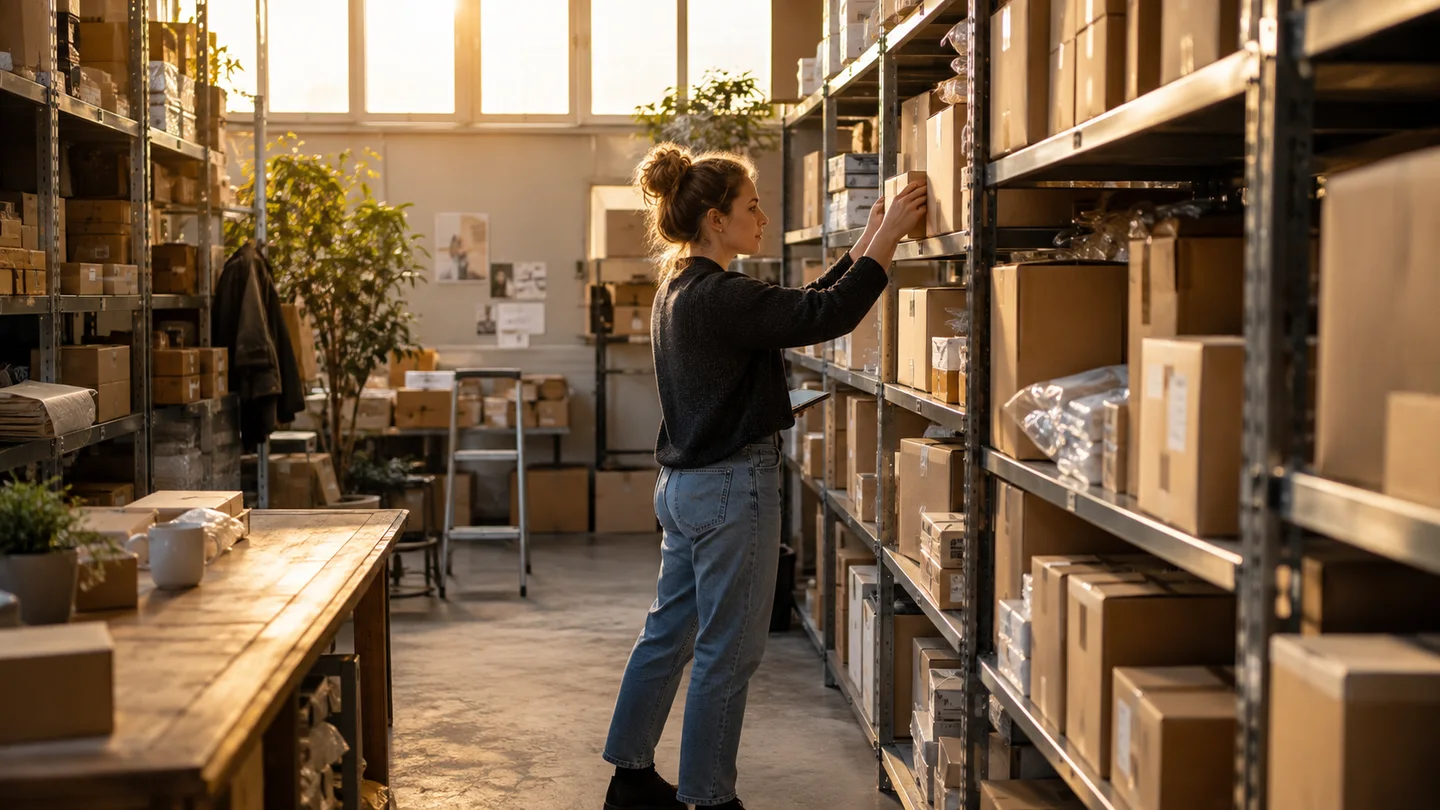
With an ordinary order, the warehouse knows what it has to pick and ship. With a return, a question comes in first: in what condition has the item come back? The wrong size, damage or a used product can lead to different next steps. That assessment turns returns handling into a separate process.
The commerce platform Shopify describes that process from the return request to the decision on resale, repair, recycling or disposal. Shipping costs are one part of it. Inspecting the product, the paperwork and putting it back into stock also take work. The label on the box therefore tells only part of the cost story.
First back, then onwards
The logistics provider DHL describes the practice in terms of receiving, inspection and sorting. Returned goods are graded by condition. Some can be offered for sale again; others need repair or a different sales channel. Products that can no longer be sold may, among other things, be recycled or disposed of.
These are options within one logistics service, not a description of what happens to every Dutch return parcel. It is precisely the differences that matter. An unopened item and a damaged one may make the same journey back, but then require different work. The number of boxes alone therefore says little about the effort their contents take.
An item in stock is not yet available stock
A returned product waiting to be assessed is physically in the warehouse, but is not automatically ready for the next customer. Shopify cites that waiting time as a cost item: money is tied up in stock that cannot yet be sold again. On top of that, value can be lost if the item can no longer be sold as new.
That is why no universal amount per box applies to returns. The product, its condition and the next steps make a difference. ‘Free returns’ describes what the customer pays for that option; it says nothing about the absence of work behind the scenes. The economic question is how much value can still be recovered after transport, inspection and processing.